Marketing Strategy Examples That Actually Work in 2025

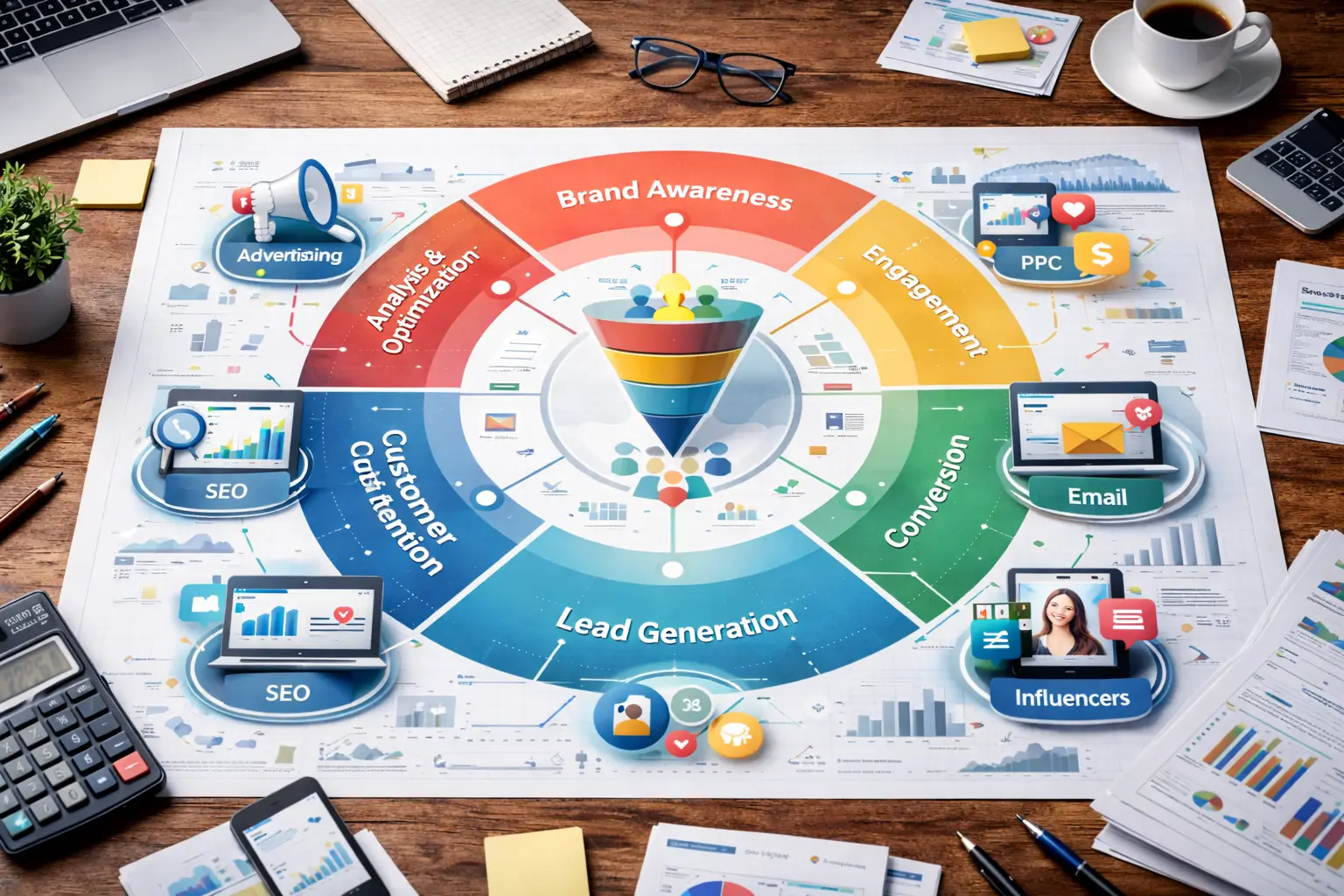
If you’re searching for marketing strategy examples, you’re probably not looking for theory—you want real ideas you can apply to grow your business.
The problem is that many examples focus on tactics instead of outcomes. They explain what to do, but not how it all works together. In 2025, strong marketing strategies aren’t built on isolated campaigns—they’re built on systems, automation, and intelligent execution.
Below are practical marketing strategy examples that reflect how modern businesses grow today, especially when supported by AI-powered platforms like Aitoleads.
What Makes a Marketing Strategy Effective Today?
Before diving into examples, it’s important to understand what separates effective strategies from outdated ones.
Modern marketing strategies share a few traits:
- They are customer-centric
- They use automation to reduce friction
- They align marketing and sales
- They scale without adding manual work
- They rely on data, not guesswork
Key takeaway: A strategy should guide action and execution, not just direction.
Marketing Strategy Example #1: SEO + Automated Lead Follow-Up
Goal: Generate consistent inbound leads without paid ads.
How it works:
- Publish search-optimized content targeting buyer intent
- Capture leads through focused landing pages
- Trigger instant AI-powered responses
- Automate follow-up sequences until the lead converts
This strategy compounds over time and works especially well when paired with automation platforms like Aitoleads that ensure no lead goes cold.
Marketing Strategy Example #2: Funnel-First Growth Strategy
Goal: Increase conversion rates without increasing traffic.
How it works:
- Map the full customer journey
- Remove unnecessary steps
- Use behavior-based automation
- Personalize messaging at each stage
Instead of chasing more clicks, this strategy improves results by optimizing what already exists.

Marketing Strategy Example #3: B2B Outreach With AI Assistance
Goal: Shorten sales cycles and improve response rates.
How it works:
- Identify high-intent prospects
- Use AI-assisted messaging for outreach
- Automate responses and follow-ups
- Route qualified leads directly to sales
This approach balances personalization with scale—something manual outreach can’t do efficiently.
Marketing Strategy Example #4: Content Repurposing System
Goal: Maximize content ROI across channels.
How it works:
- Create one core piece of content
- Repurpose it into blogs, emails, and outreach
- Use automation to distribute consistently
- Track engagement to refine messaging
When paired with automation, content becomes a system—not a one-time effort.
Marketing Strategy Example #5: Speed-to-Lead Optimization
Goal: Increase conversions by responding faster.
How it works:
- Capture leads across all channels
- Trigger instant AI responses
- Personalize follow-ups automatically
- Continue nurturing until sales-ready
Speed matters more than most businesses realize. This strategy alone can dramatically improve results.
Why Most Marketing Strategy Examples Fail in Practice
Many examples fall apart because they:
- Rely on manual execution
- Separate marketing from sales
- Ignore follow-up
- Don’t scale
- Lack automation
A strategy without systems is just an idea.

Where Aitoleads Fits In
Aitoleads helps turn marketing strategy examples into working growth engines by:
- Automating lead response
- Improving follow-up consistency
- Connecting funnels to sales
- Reducing friction across the customer journey
It’s the infrastructure that makes modern strategies executable.
Final Thoughts
The best marketing strategy examples aren’t complicated—they’re connected.
If your strategy includes clear goals, automated follow-up, intelligent funnels, and AI-driven execution, you’re already ahead of most competitors.
👉 Want to turn your marketing strategy into a system that runs automatically?
See how Aitoleads helps businesses execute smarter strategies, respond faster, and convert more leads—without adding more work.


Book A Demo with Ashley