Search Engine Positioning and Lead Generation


Search Engine Positioning: How Visibility Turns Into Leads
Ranking in search results isn’t just about traffic.
It’s about visibility at the exact moment someone is looking for a solution.
That’s where search engine positioning comes into play.
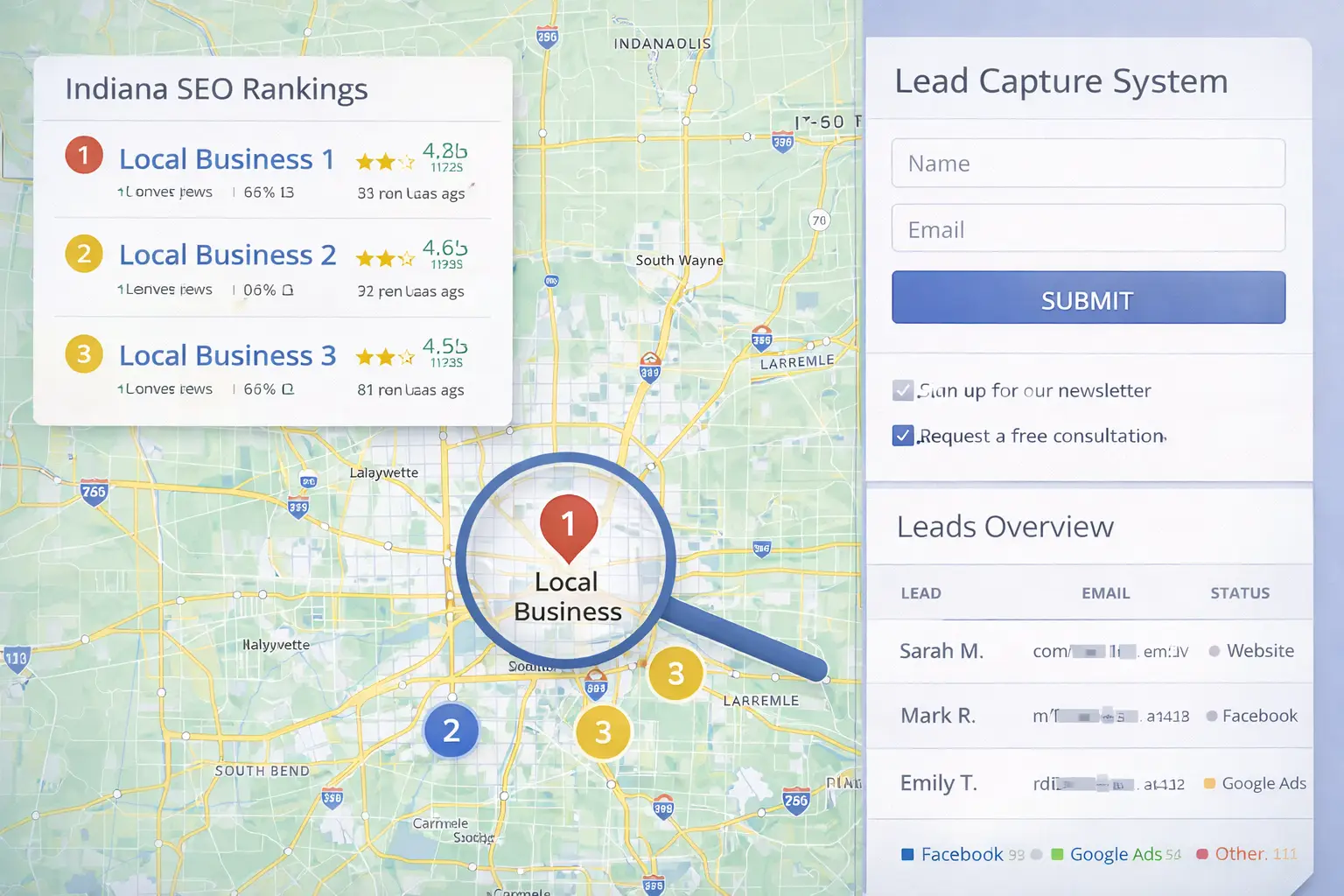
Search engine positioning refers to where your website appears in search engine results when someone types in a keyword. The higher your position, the more likely users are to click your link, visit your website, and potentially become a customer.
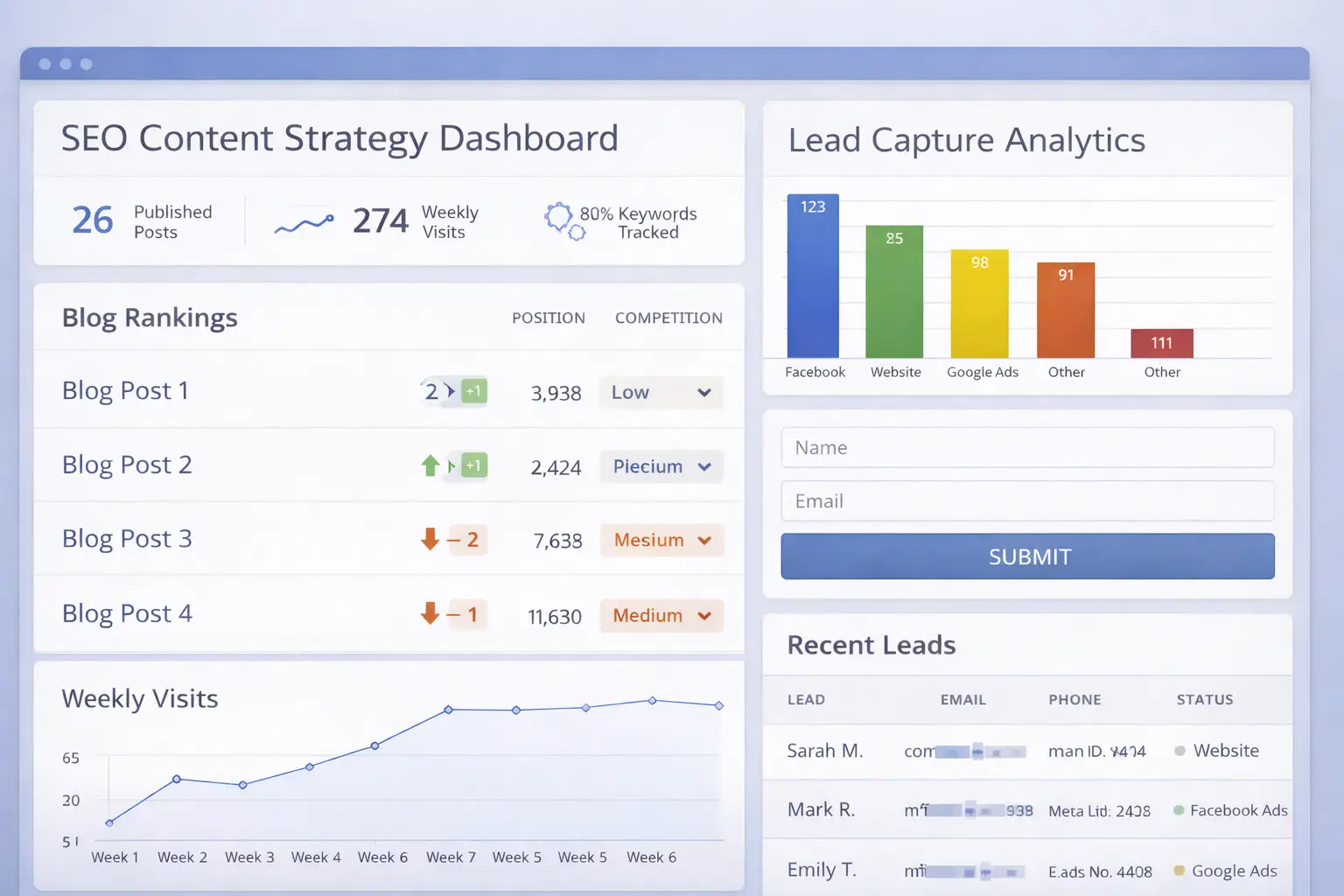
But modern search positioning isn’t just about ranking—it’s about converting the traffic you earn. With platforms like Aitoleads, businesses can transform search visibility into automated lead generation.
Let’s take a closer look at how it works.
What Is Search Engine Positioning?
Search engine positioning refers to the ranking location of a webpage in search engine results pages (SERPs) for a specific keyword.
For example, if someone searches:
- “marketing automation platform”
- “SEO services for small business”
- “lead generation software”
The websites appearing near the top of the results have the strongest search engine positioning for those queries.
Higher positions generally lead to more visibility, more clicks, and more opportunities to generate leads.
Why Search Engine Positioning Matters
Most users click one of the first few results they see in a search engine.
That means your positioning can directly impact how many people discover your website.
Strong search engine positioning can help businesses:
- Increase website traffic
- Improve brand credibility
- Capture high-intent visitors
- Generate more qualified leads
However, attracting visitors is only the first step. Converting that traffic into leads is where automation platforms like Aitoleads become valuable.
How Search Engines Determine Positioning
Search engines use complex algorithms to determine where pages appear in search results.
Some of the most important factors include:
Content Relevance
Search engines analyze how well a page answers a user’s search query.
Content that clearly addresses the topic and provides useful information tends to rank higher.
Website Authority
Websites that earn links from reputable sources often gain stronger credibility with search engines.
These backlinks signal that the content is valuable and trustworthy.
Technical Website Performance
Search engines also evaluate technical aspects of a website, such as:
- Page speed
- Mobile friendliness
- Secure connections (HTTPS)
- Clear site structure
Strong technical performance improves both user experience and search rankings.
User Engagement
Search engines monitor how users interact with webpages.
Signals like:
- Click-through rate
- Time on page
- Bounce rate
help determine whether a page provides useful information.
Pages that keep visitors engaged are more likely to maintain strong positioning.
Turning Search Visibility Into Leads
Ranking in search results is valuable, but traffic alone doesn’t guarantee growth.
Visitors still need a clear path to become leads or customers.
That’s where automation tools come in.
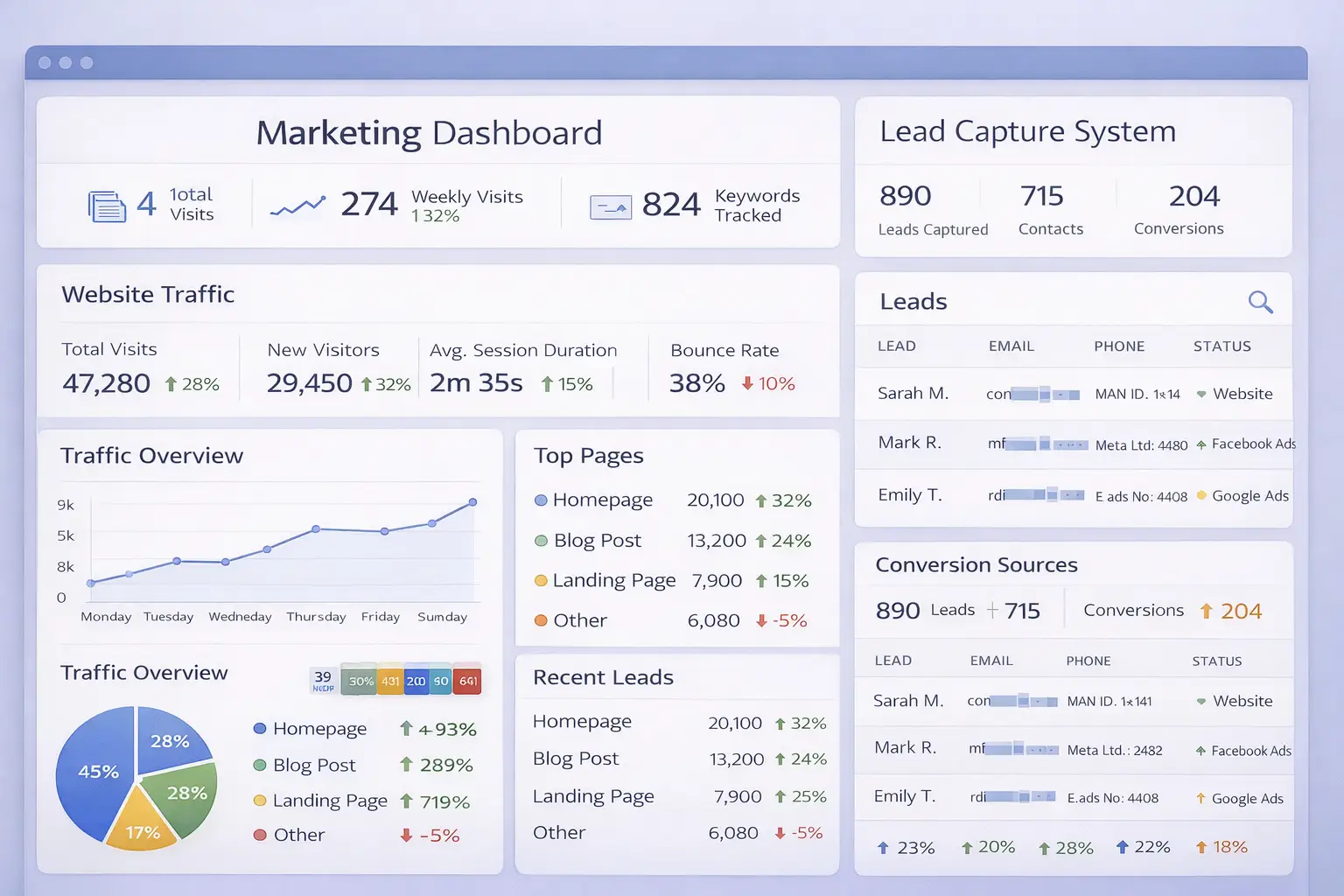
Platforms like Aitoleads help businesses capture and manage leads generated through search traffic by:
- Collecting contact information through smart forms
- Automating follow-up messages
- Organizing leads in a centralized system
- Tracking engagement and conversions
This turns search engine positioning into a measurable growth engine rather than just a source of website traffic.
Search Engine Positioning vs SEO
Search engine positioning and search engine optimization (SEO) are closely related but slightly different.
- SEO refers to the strategies used to improve a website’s visibility in search engines.
- Search engine positioning refers to the actual ranking position achieved for a keyword.
In simple terms, SEO is the process, and search engine positioning is the result.
How Businesses Improve Search Engine Positioning
Improving search rankings requires a consistent strategy.
Common approaches include:
- Publishing high-quality content
- Optimizing webpages for relevant keywords
- Improving website performance and usability
- Building credible backlinks
- Structuring content for search engines and users
When these strategies work together, they help strengthen a website’s presence in search results.
FAQ: Search Engine Positioning
How long does it take to improve search engine positioning?
SEO improvements often take several months before noticeable ranking changes occur.
Is search engine positioning important for lead generation?
Yes. Higher rankings make it easier for potential customers to discover a business online.
Can automation tools improve search engine positioning?
Automation tools don’t directly affect rankings, but they help convert search traffic into leads more efficiently.
Final Thoughts
Search engine positioning plays a critical role in helping businesses get discovered online.
The higher your website appears in search results, the greater your chances of attracting visitors who are actively searching for solutions.
But visibility alone isn’t enough.
By combining strong search positioning with automation tools like Aitoleads, businesses can transform search traffic into qualified leads and measurable growth.


Book A Demo with Ashley