Website Marketing Strategy for Lead Generation

Website Marketing Strategy: Turning Your Website Into a Lead Generation Engine
A website should do more than simply exist online.
When built and managed strategically, a website becomes one of the most powerful marketing tools a business has. It can attract visitors, educate potential customers, and guide them toward taking action.
This approach is known as a website marketing strategy.
A strong website marketing strategy focuses on using your website as the central hub of your marketing efforts—bringing together SEO, content, advertising, and automation to generate consistent leads.
With tools like Aitoleads, businesses can connect these elements and transform website traffic into an organized lead generation system.
Let’s explore what a successful website marketing strategy includes.
What Is a Website Marketing Strategy?
A website marketing strategy is a plan for using a website to attract visitors, engage potential customers, and convert them into leads or clients.
Instead of relying on a website as a digital brochure, businesses use it as an active platform that supports their marketing efforts.
A well-designed strategy often includes:
- search engine optimization (SEO)
- content marketing
- lead capture systems
- analytics tracking
- marketing automation
Together, these elements turn a website into a system that continuously generates marketing opportunities.
Why Website Marketing Strategies Matter
Many people begin their search for products or services online.
When potential customers search for information, they often visit websites to learn more before making decisions.
A strong website marketing strategy helps businesses:
- attract targeted visitors
- provide helpful information
- build credibility and trust
- convert traffic into leads
- track and improve marketing performance
Because websites operate continuously, they can support marketing efforts around the clock.
Core Elements of an Effective Website Marketing Strategy
Successful website marketing strategies usually rely on several key components working together.
Search Engine Optimization
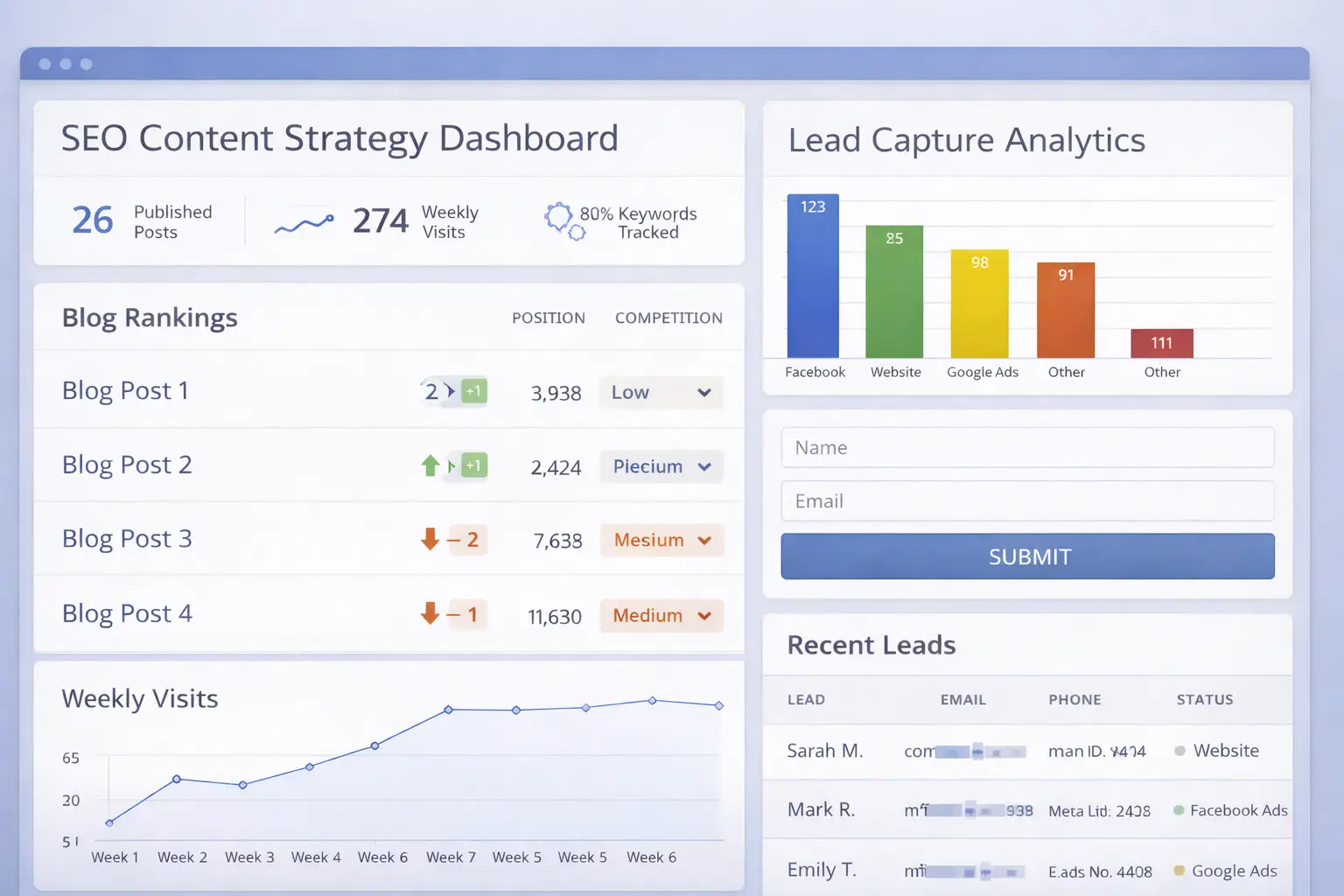
SEO helps websites appear in search engine results when users search for relevant information.
By optimizing content, structure, and performance, businesses can improve their search engine positioning and attract organic traffic.
SEO remains one of the most reliable long-term traffic sources for many websites.
Content Marketing
Content helps websites answer questions and provide useful information for potential customers.
Examples of website content include:
- blog articles
- educational resources
- product guides
- tutorials and insights
Strategic content supports SEO content marketing services and helps businesses build authority in their industry.
Lead Capture Systems
Traffic alone does not generate business growth.
Visitors must have an easy way to interact with a business.
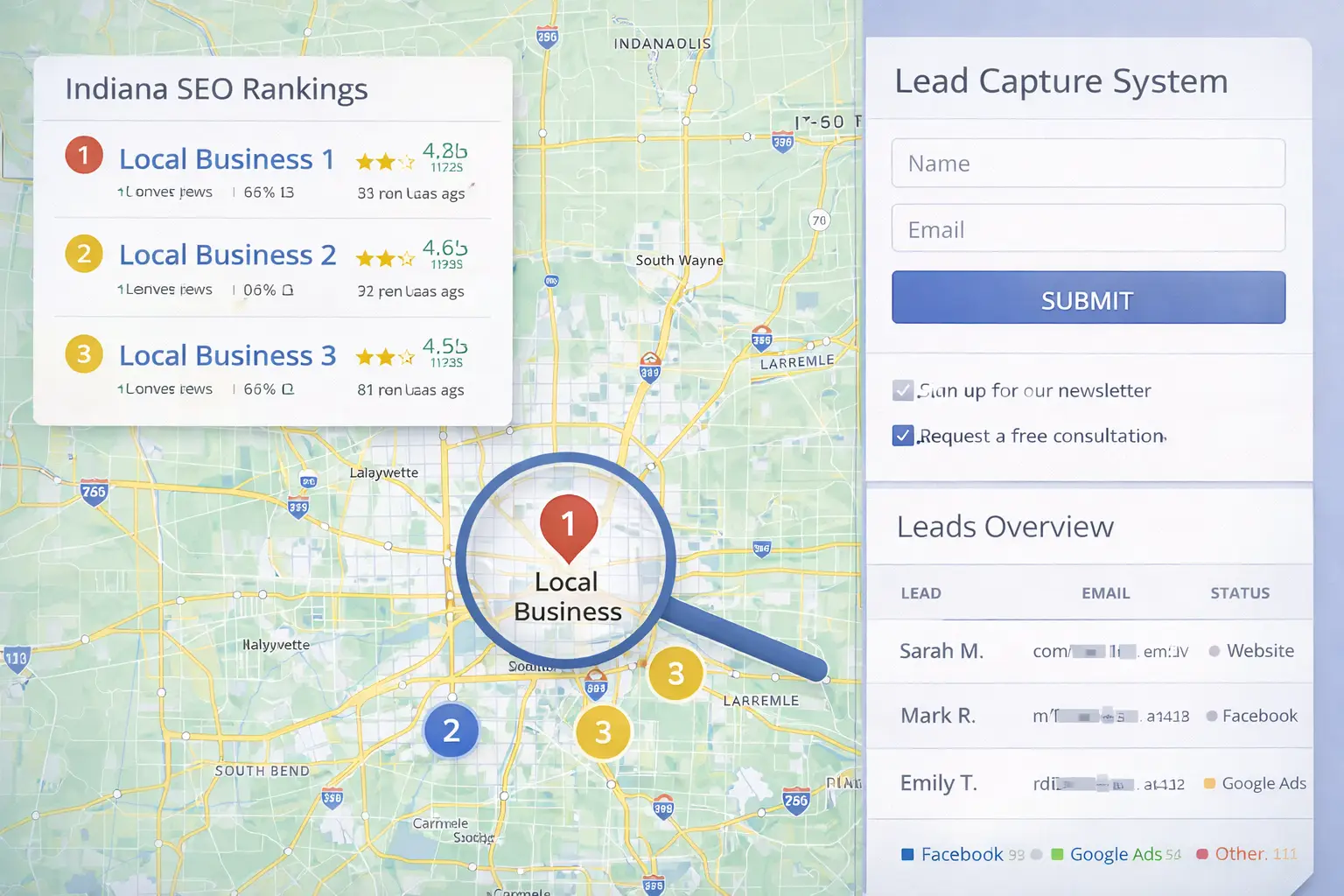
Lead capture tools allow websites to collect information from visitors who show interest in products or services.
Common lead capture methods include:
- contact forms
- gated resources
- newsletter signups
- consultation requests
Marketing Automation
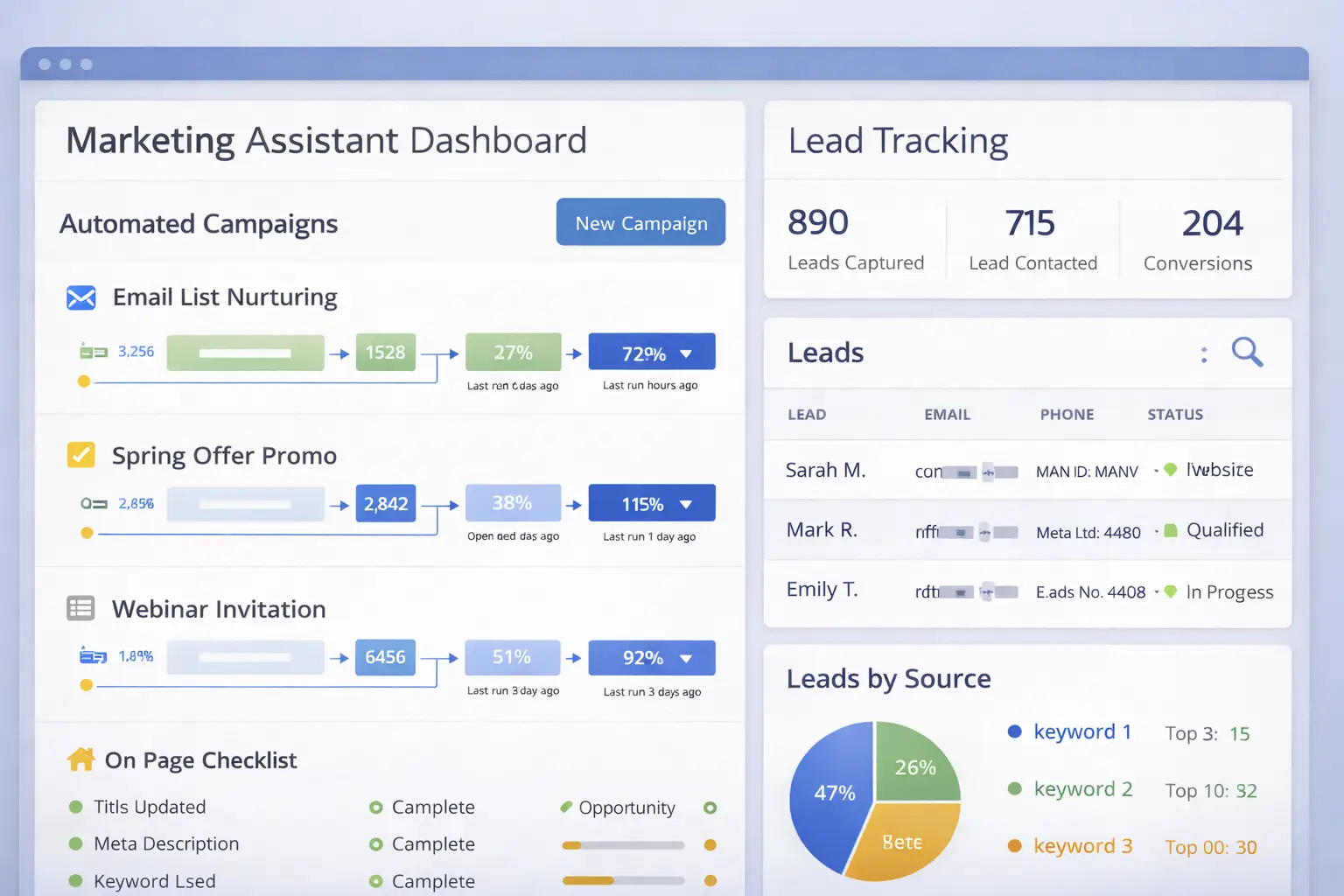
Once leads are captured, automation tools help businesses manage follow-up communication.
Platforms like Aitoleads help businesses:
- organize leads in a centralized system
- automate responses to inquiries
- track engagement and customer activity
- streamline marketing workflows
Automation ensures that potential customers receive timely responses and consistent communication.
Analytics and Performance Tracking
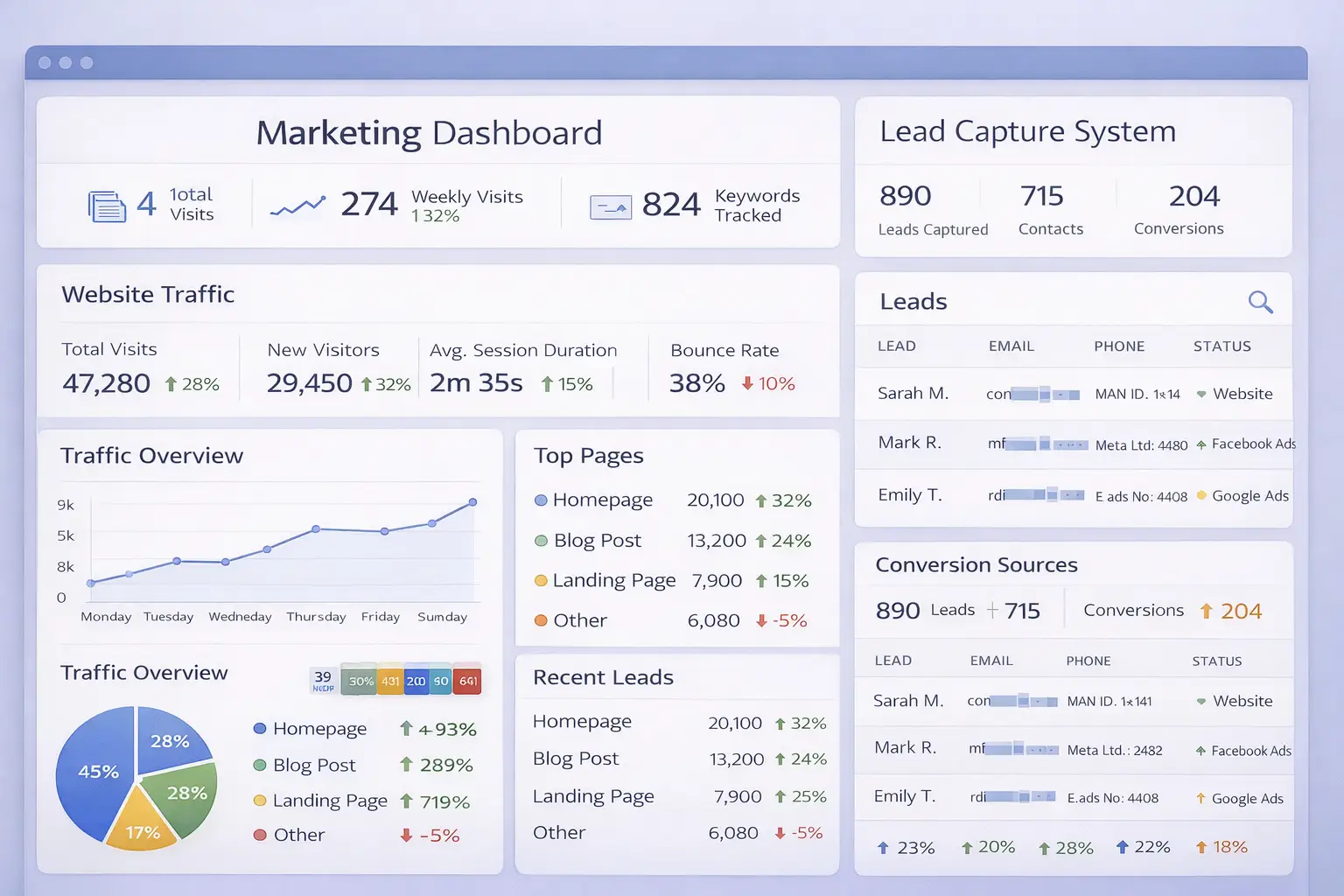
Tracking performance helps businesses understand how visitors interact with their websites.
Analytics tools allow businesses to monitor:
- website traffic
- visitor behavior
- lead conversions
- campaign performance
These insights help marketers refine strategies and improve results over time.
How Website Marketing Strategies Generate Leads
When all elements of a website marketing strategy work together, they create a clear path from discovery to conversion.
A typical process may look like this:
- A user searches for information online
- They discover helpful content on a website
- They explore services or resources
- They submit a form or request more information
- Automation tools manage follow-up communication
This process transforms website traffic into potential business opportunities.
Common Website Marketing Strategy Mistakes
Some websites fail to generate results because they lack a clear marketing strategy.
Common mistakes include:
- launching a website without SEO optimization
- publishing little or no helpful content
- having unclear calls to action
- ignoring analytics data
- failing to capture visitor information
Addressing these issues can significantly improve website performance.
FAQ: Website Marketing Strategy
What is the goal of a website marketing strategy?
The goal is to attract visitors, provide valuable information, and convert that traffic into leads or customers.
How long does it take for a website marketing strategy to work?
Results typically develop gradually as SEO, content, and marketing systems gain traction.
Do businesses need automation for website marketing?
Automation helps manage leads efficiently and ensures consistent communication with potential customers.
Final Thoughts
A well-planned website marketing strategy transforms a website into a powerful marketing asset.
By combining SEO, content, lead capture tools, and automation systems, businesses can create a website that continuously attracts visitors and generates opportunities.
When platforms like Aitoleads are integrated into this process, website traffic becomes part of a structured system that captures leads, automates follow-ups, and supports long-term growth.


Book A Demo with Ashley